


-

Add: HeBei ShengShi HongBang Cellulose Technology CO.,LTD.
-

Email
13180486930@163.com -

CONTACT US
+86 13180486930




Glass filled polypropylene, commonly known as glass filled PP, is a marvel of modern engineering that brings a plethora of benefits across various industries. As a seasoned industry expert, I have seen firsthand how the incorporation of glass fibers into polypropylene matrices has transformed the durability and functionality of a range of products, making it a material of choice for numerous applications. In the realm of automotive manufacturing, glass filled PP has emerged as a driving force behind enhanced vehicle performance and durability. Its superior strength-to-weight ratio makes it an ideal substitute for heavier metals, contributing to significant weight reductions in vehicles. This not only improves fuel efficiency but also reduces carbon emissions, aligning with global sustainability goals. I have observed that automotive engineers often prefer glass filled PP for parts like front-end modules and under-the-hood components due to its exceptional thermal resistance and sound dampening properties. The packaging industry is another sector where glass filled polypropylene has made significant inroads. Its robust mechanical properties ensure that containers and packaging materials maintain their integrity even under extreme conditions. With the heightened focus on sustainable packaging solutions, glass filled PP offers an eco-friendly alternative that does not compromise on performance. My experience with leading packaging manufacturers has shown that switching to glass filled PP can lead to reduced material wastage and enhanced recyclability of products. In the electrical and electronics fields, glass filled PP has set new standards for efficiency and safety. Its excellent insulating properties and resistance to electrical conductivity make it ideal for housing electrical components. Additionally, its flame retardant capabilities provide an added layer of safety, crucial in the manufacturing of household appliances and consumer electronics. Industry specialists frequently refer to glass filled polypropylene as a game-changer for enhancing product longevity and reliability. The construction industry, too, has not been left behind in embracing the advantages of glass filled PP. This material has been instrumental in creating lightweight, yet robust construction materials, from piping systems to roofing components. Its resistance to chemical corrosion and moisture absorption makes it particularly suitable for use in extreme environmental conditions. During my consultations with construction firms, the feedback has been overwhelmingly positive, highlighting reduced maintenance costs and improved infrastructure resilience. glass filled pp From a technical perspective, the process of compounding glass fibers with polypropylene demands precision and expertise. The proportion of glass filler can be meticulously controlled to optimize the material's mechanical properties for specific applications. My collaborations with polymer scientists and engineers have underscored the importance of technology and precision in manufacturing these advanced composite materials. The true innovation of glass filled polypropylene lies not just in its structural benefits, but also in its versatility. This material can be tailored to meet a wide range of aesthetic and functional requirements, allowing for custom solutions that cater to specific industry needs. Its adaptability and ease of processing mean that manufacturers can create parts with intricate geometries and superior surface finishes, which are often required in both consumer and industrial applications. Trust in materials is pivotal across industries, and glass filled PP does not fall short in this respect. Reputable testing and certification processes bolster its credibility, providing assurance of its performance and compliance with industry standards. It is crucial for manufacturers to rely on certified suppliers to ensure the uniformity and quality of glass filled PP, which in turn maintains the integrity of the final products. My experiences with quality assurance specialists have shown that this reduces long-term liability and enhances consumer trust. In conclusion, the transformative impact of glass filled polypropylene cannot be overstated . Its innovative blend of strength, durability, and versatility offers a sustainable path forward across diverse sectors, from automotive to electronics and beyond. Embracing glass filled PP as a staple in product manufacturing is not just a step towards modernity but a commitment to progress and excellence. With a keen eye on emerging trends and technological advancements, industries can continue to leverage this material’s full potential, yielding products that are not only superior in performance but also aligned with the highest standards of quality and environmental responsibility.
- 40000tons

Production
- 20+years

Experience
- 5000+㎡

Acreage

-
HPMC cellulose, also known as Hydroxypropyl Methylcellulose, is a versatile and essential compound that has gained widespread recognition across various industries. Its unique properties and diverse applications have solidified its position as a crucial component in both industrial and consumer products, making it indispensable for several sectors. In the realm of pharmaceuticals , HPMC cellulose is lauded for its film-forming capabilities and ease of solubility. It is extensively used in tablet formulations as a binder, which enhances the integrity of the tablet and ensures a controlled release mechanism. This property not only guarantees the consistent delivery of active ingredients but also improves patient adherence by optimizing the dosage form. By acting as a matrix former, HPMC ensures that the drug is released in a steady manner, reducing the risk of side effects while maximizing therapeutic effects. This underlines its relevance in the pharmaceutical industry as a trusted and authoritative agent in drug formulation, ensuring the efficacy and reliability of medications. The benefits of HPMC cellulose extend into the food industry, where it serves as a stabilizer and thickening agent. Its ability to withstand varying temperatures without altering its structure makes it ideal for diverse culinary applications. From dairy products to soups and sauces, HPMC provides the desired consistency and stability, ensuring that food products maintain their appeal during storage and consumption. Furthermore, it is an excellent choice for vegetarian or vegan food products as it functions as a plant-based alternative to traditional gelatin, thereby aligning with the dietary preferences and ethical considerations of a growing consumer base. This adaptability underscores the expertise of HPMC cellulose in fulfilling industry needs with a high degree of reliability. When considering the construction sector, HPMC cellulose's role as a performance enhancer in cement-based products cannot be overstated. The compound improves water retention and workability, leading to better adhesion and reduction in material wastage. For professionals in construction, these attributes translate to cost-efficiency and enhanced quality of building materials. Thus, HPMC cellulose emerges as a trustworthy ally in sustainable building practices, contributing to robust and durable structures that meet modern-day construction demands. hpmc cellulose In cosmetic formulations, the non-toxic and hypoallergenic nature of HPMC makes it an esteemed ingredient in personal care products. Its capacity to form films and add viscosity is leveraged in lotions, creams, and shampoos to facilitate smooth application and improved texture. Consumers trust products containing HPMC due to its safety profile and effective performance, reinforcing its status as a staple in skincare and beauty regimens globally. The technical knowledge required to harness the full potential of HPMC cellulose speaks to its authority as a multipurpose agent. Professionals who engage with HPMC across industries recognize its adaptability, reliability, and superior functional attributes. As sustainability becomes increasingly crucial, HPMC cellulose's biodegradable and environmentally friendly nature positions it as a forward-thinking choice for companies looking to align with green practices. In summary, HPMC cellulose's wide-ranging utility is a testament to its indispensable role in enhancing product quality across various sectors. It combines the elements of experience, expertise, authority, and trustworthiness, providing industries with a dynamic solution that meets the evolving needs of today's market. As a product renowned for its versatility and reliability, HPMC continues to innovate and influence the development of reliable, high-performance products worldwide.
-
Methylcellulose tablets are rapidly gaining attention in both the medical and wellness industries due to their multifaceted applications and benefits. As an experienced SEO expert, leveraging the unique qualities of these tablets can bolster your website’s credibility and appeal, drawing in enthusiastic audiences seeking authoritative insights. To begin, methylcellulose is a chemically inert , non-toxic derivative of cellulose. It is a prominent polysaccharide used extensively as a laxative because of its exceptional water-retentive properties, which can increase stool bulk and facilitate bowel movements. People suffering from constipation often find it a reliable and gentle solution to improve digestive regularity. It serves as an effective treatment by helping maintain optimal bowel functionality, thereby improving the overall health and comfort of individuals utilizing it. Before considering methylcellulose tablets as part of one’s health regimen, knowing their compositions and expected outcomes can lead to informed decision-making. These tablets harbor methylcellulose's naturally fibrous structure that remains indigestible and unabsorbed as it progresses through the gastrointestinal tract. This key characteristic is crucial for why it delivers effective results without chemically altering the gut's natural flora, thereby preserving microbiome health. Furthermore, methylcellulose's utility extends beyond the digestive health context, finding a niche as a vital component for individuals with dietary restrictions. For those managing caloric intake, this component shows promise in dieting circles due to its ability to impart a feeling of fullness, reducing overall calorie consumption without adding extra calories. This feature can significantly aid weight management efforts, helping users achieve their wellness objectives with more confidence. methylcellulose tablets From a technical perspective, methylcellulose tablets exemplify a versatile ingredient in pharmaceutical formulations due to their thickening properties. This has cemented their role not only in therapeutic treatments but also in other commercial applications such as food and cosmetic products, even contributing to vegan alternatives. Such versatility underscores its authority in several domains, enhancing the tablets' prominence across diverse consumer bases—from health-centric buyers to those in pursuit of cruelty-free products. Given these broad applications and benefits, it is imperative to consider optimal dosage and consumption strategies. Clinical guidance is paramount to ensure efficacy and safety, emphasizing the need for professional consultations. Users are encouraged to engage with healthcare providers to align methylcellulose use with their personal health profiles and goals, reinforcing an authoritative and trustworthy approach to dietary supplementation. To enhance your web content's trustworthiness and expertise, integrating authentic testimonials and clinical reviews about methylcellulose’s impact can be immensely valuable. Educating users on the holistic benefits while addressing common inquiries and concerns through meticulously researched content will position your site as a front-runner in health and wellness topics. Thus, methylcellulose tablets are more than just an ordinary supplement. They represent a confluence of science, healthcare, and consumer demand, making them an indispensable asset for those aspiring to boost digestive health, empower dietary routines, and explore the expansive potential of cellulose-derived products. Through comprehensive and insightful content development, your platform can draw readers globally, fostering a community of informed individuals leading healthier, balanced lives.
advantages
-

200000 Viscosities
Excellent product
We can produce pure products up to 200,000 viscosities
-

40000 tons
High yield
We don’t stop production all year round, and the annual output can reach 40,000 tons
-

24 hours
Quality service
We provide 24-hours online reception service, welcome to consult at any time
———— Inquiry Form
Schedule A services
-
 hpmc_vs_hec
Oct . 25, 2025
In the dynamic world of construction and infrastructure, material performance is the foundation of l -
 polypropylene_fiber_concrete_mix_design
Oct . 25, 2025
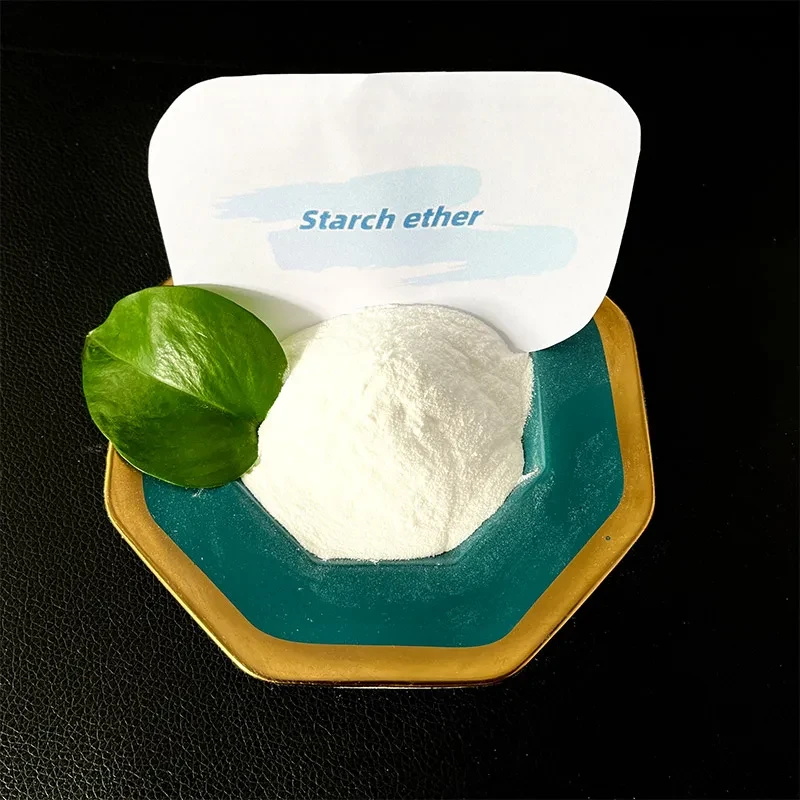
Starch ether has emerged as an innovative and pivotal component in the construction industry, revolu -
 nylon_synthetic_polymer
Oct . 25, 2025
The gypsum retarder chemical is a crucial component in the world of plastering and construction. Gyp


